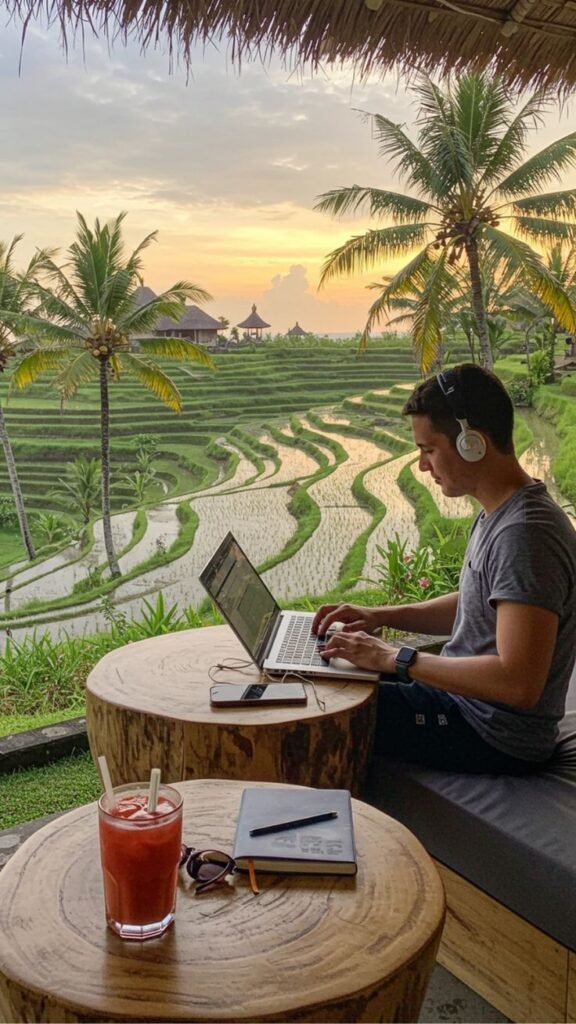
The Digital Nomad’s Handbook: Staying Connected While Exploring the World
The dream of the “office” shifting from a grey cubicle to a beach-side cafe, a mountain-view terrace, or a historic European square is no longer just a fantasy. In 2026, the rise of the digital nomad lifestyle has transformed how we view work and travel. But for all the glamour of “working from anywhere,” the reality requires a sophisticated balance of productivity and wanderlust. The single biggest factor between a successful work-travel experience and a chaotic mess? Connectivity.
If you are planning to take your laptop on the road, here is your essential handbook to staying connected, productive, and sane while exploring the globe.
1. The “Work-First” Destination Audit
Not every beautiful location is a good place to work. Before booking that trendy Airbnb, perform a “Digital Audit.”
Speed Tests: Don’t just trust the listing description. Use tools like Speedtest.net to check the average internet speeds in the specific city you are visiting.
The Power Factor: Does the region experience frequent power outages? If you are heading to remote areas, ensure your accommodation has a reliable backup generator or at least a UPS (Uninterruptible Power Supply).
Time Zones: Consider your core working hours. If your team is based in New York, working from Tokyo might mean logging on at 10 PM. Decide if you are a “night owl” or if you need to choose a destination that aligns better with your team’s clock.
2. The Toolkit: Your Connectivity Insurance Policy
You cannot rely solely on the “free Wi-Fi” promised by your hostel or cafe. You need a redundant connectivity plan.
Global eSIMs: Services like Airalo or Holafly are lifesavers. They allow you to download a local data plan directly to your phone before you even land. No more hunting for SIM kiosks at the airport.
Mobile Hotspot: Your phone’s hotspot is your backup, but it drains battery and data fast. Invest in a dedicated 5G mobile Wi-Fi hotspot device. It provides a more stable connection than a phone, especially when multiple devices (laptop, tablet, phone) need to be connected simultaneously.
VPN (Virtual Private Network): Never access company files or banking apps over public Wi-Fi without a robust VPN. It is non-negotiable for security and often helps bypass regional content blocks.
3. Creating the Ideal “Nomad Office”
Your environment dictates your output. A laptop on a bed is a recipe for back pain and low focus.
The Ergonomic Setup: Pack a lightweight, foldable laptop stand and a compact wireless mouse. If you work long hours, these two items will save your posture.
Coworking vs. Cafes: While cafes are picturesque, they are often noisy and have unpredictable internet. Seek out dedicated coworking spaces. They offer high-speed fiber internet, ergonomic chairs, sound-proof booths for calls, and—perhaps most importantly—a community of other professionals who can help you network.
The “Audio” Barrier: Invest in high-quality noise-canceling headphones. Whether it’s a bustling market or a quiet train, you need the ability to create a “focus bubble” instantly.
4. Mastering Time Management on the Road
When the world outside your window is beautiful, the urge to procrastinate is powerful.
The 3-Hour Deep Work Block: Start your day early. Spend the first 3 hours of your morning in a “Deep Work” state. By tackling your most challenging tasks before the day’s exploring begins, you eliminate the guilt of wanting to head out at 2 PM.
The “Traveler” Calendar: Block out “travel days” in your calendar. Do not schedule important client meetings for the days you are moving between cities. You don’t want to be taking a Zoom call from a loud train station or an airport lounge.
5. Embracing the “Slow Travel” Philosophy
The biggest mistake new digital nomads make is moving too fast. Switching locations every three days ensures you spend all your time searching for Wi-Fi and setting up your desk, leaving no time to actually enjoy the location.
Stay Longer: Stay in one location for at least 2–4 weeks. This allows you to find your “go-to” cafe, a reliable gym, and a sense of routine. It turns a “trip” into a temporary “home,” which is the secret to sustained productivity.
6. Managing the Digital Nomad’s Biggest Challenge: Loneliness
The freedom of the road can sometimes feel isolating.
Community Groups: Join platforms like Nomad List or local Facebook/Telegram groups for digital nomads in your destination.
Social Rituals: Find a local hobby that isn’t work-related. Join a language class, a local hiking club, or a cooking workshop. It’s the fastest way to feel connected to the place you’re visiting, rather than just being a face behind a screen.
The Future of Work is Flexible
Being a digital nomad is about more than just working from a laptop; it’s about proving that you can deliver excellence from anywhere on the planet. With the right preparation, you aren’t choosing between your career and your travel dreams—you are integrating them into a singular, enriched lifestyle.
At Travely, we understand the unique needs of the remote worker. We have curated a collection of “Nomad-Friendly” stays that guarantee high-speed internet, ergonomic workspaces, and proximity to local culture.
What’s the biggest challenge you’ve faced while working remotely? Let us know in the comments below!